
UnderDevelopment Episode 2: Why Education is the Ultimate Property Shortcut
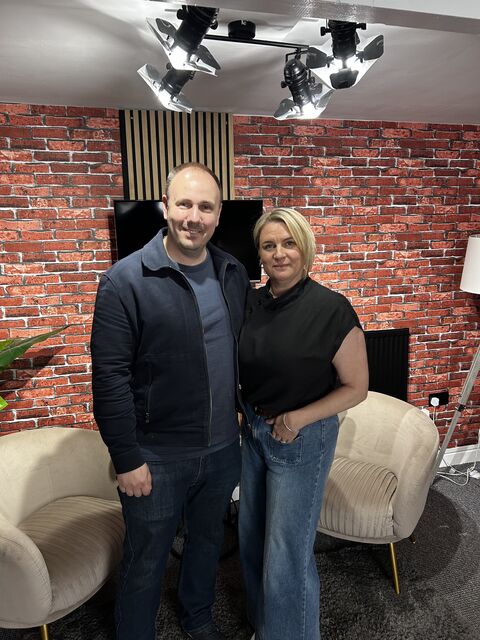
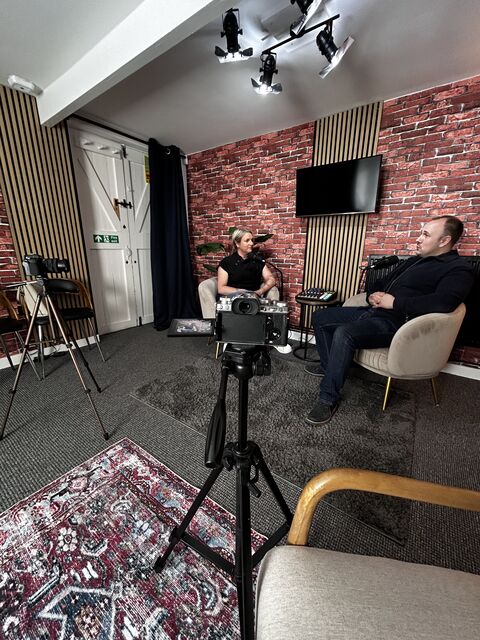
Welcome back to the second instalment of our UnderDevelopment blog series, where we peel back the layers of the property world through the eyes of those living and breathing it. In this episode, our CEO and Co-Founder, Clare Dix, sits down with Tom Gascoinne to discuss a fundamental truth that many learn the hard way: property success isn't just about having a hammer and a deposit, it's about having the right education.
Tom's journey is a masterclass in evolution. Starting with the classic "buy-to-sell" model and progressing into high-quality House in Multiple Occupation (HMO) developments, his story highlights the shift from being a hands-on tradesman to a strategic property developer. If you have ever wondered why some developers seem to skip the queue of "trial and error," this episode reveals the "shortcut" they are using.
The Pitfalls of Distance: Lessons from South Wales
Every developer has a "first project" story, and Tom's is a classic cautionary tale. Lured by lower entry prices, he looked far outside his local Swindon bubble and purchased a flip in South Wales. On paper, the numbers made sense; the property was significantly cheaper than anything in the South East. However, the reality of managing a project from hours away quickly set in.
Tom's background as a tradesman gave him a head start on the technical side of the build, but he soon realised that trade skills and strategic property knowledge are two very different things. Buying far from home purely for the price point often ignores the "hidden" costs: travel time, the lack of a trusted local power team, and the inability to respond quickly to site issues.
The lesson was clear: chasing "cheap" property in unfamiliar territories can often be more expensive in the long run. For Grasshopper Property, this reinforces our commitment to the Oxfordshire market. Understanding the local landscape, the heritage of the buildings, and the specific needs of the community is far more valuable than a low purchase price in a location you don't know.
Compressing Time: The Five-Year Learning Curve
One of the most poignant parts of the conversation between Clare and Tom was the concept of the "Five-Year Learning Curve." In the property industry, you can either spend five years making your own mistakes, some of which can be incredibly costly, or you can invest in professional education to compress that timeline into months.

Tom credits his shift in perspective to professional property education. It wasn't just about learning the mechanics of a bridging loan or the specifics of Permitted Development rights; it was about the community. By surrounding himself with like-minded experts and mentors, he moved from a "DIY" mindset to a "Director" mindset.
When you engage with a community of professional developers, you aren't just gaining knowledge; you are gaining a collective database of experiences. You learn how to navigate the complexities of heritage commercial buildings for conversion and how to mitigate risks before they manifest on-site. At Grasshopper Property, we mirror this ethos by prioritising constant learning and staying abreast of the latest policy changes in the Oxfordshire planning departments.
From Flipping to High-Quality Portfolio Building
While "flipping" (buying, renovating, and selling) is a popular way to generate capital, Tom eventually felt the pull towards long-term stability. The transition from flipping to high-quality HMOs represented a shift from "trading" to "investing."
A standout project discussed in the episode is Tom's conversion of a former care home into an 11-bed high-quality HMO. This is a prime example of the "commercial-to-residential" strategy we specialise in here at Grasshopper Property. Repurposing existing infrastructure, especially buildings that once served an institutional or commercial purpose, offers a unique advantage. These buildings often have the internal "bones" needed for multiple occupants, such as wide corridors and robust fire safety layouts, which can be adapted more efficiently than a standard residential terrace.
The goal with these conversions isn't just to provide a bed; it's to create a premium living environment. In the Oxfordshire market, where the demand for professional housing is high, providing a high-quality lifestyle integration is the key to long-term tenant retention and portfolio resilience.
Navigating the Leasehold Trap
As developers move into the world of commercial-to-residential conversions, they often encounter the "Leasehold Trap." Tom and Clare discussed the specific challenges of long leasehold commercial buildings.
In many cases, the freeholder of a commercial building may have strict restrictions on the types of tenants allowed or the physical alterations that can be made to the property. These restrictions can significantly hinder a development's potential. For instance, a freeholder might block a change of use or demand high fees for permissions, which can stall a project indefinitely.
This is why, at Grasshopper Property, we often look for opportunities where we can control the freehold. Having autonomy over the building allows for more creative and effective transformations, ensuring that heritage assets are revitalised without the bureaucratic hurdles often found in restrictive leasehold agreements.
The Modern Edge: Tech and Accessibility
To stand out in today's market, particularly in a sophisticated area like Oxfordshire, a property must offer more than just four walls. Tom highlighted two key differentiators: smart home automation and disabled adaptations.
It is a common misconception that smart technology is purely about "luxury" gadgets. In reality, it is about creating an efficient, high-quality living experience. Smart heating systems, integrated lighting, and high-speed connectivity are now baseline expectations for professionals. From a management perspective, these systems also allow for better monitoring of building performance, reducing waste and improving sustainability.
Furthermore, Tom's focus on disabled adaptations reflects a growing awareness of inclusive design. By integrating accessibility features, such as wider doorways, level access, and adaptable wet rooms, into the initial design phase, developers can serve a wider demographic and ensure their properties remain future-proof. It's not just about compliance; it's about creating high-quality homes that are accessible to everyone in the community.
Closing Thoughts: The Value of Strategy Over Labour
The overarching theme of Episode 2 is the transition from working in the business to working on the business. Tom's journey from a tradesman in South Wales to a strategic developer of high-quality HMOs in Wiltshire is a testament to the power of education.
Property development is a complex puzzle involving planning policy, construction management, financial structuring, and market analysis. Attempting to solve that puzzle without a map is a recipe for frustration. By investing in education and community, developers like Tom, and firms like Grasshopper Property, can navigate the heritage and architectural constraints of the UK market with confidence.
We are focused on the long-term revitalisation of Oxfordshire's underused assets. By taking the "shortcut" of education and leveraging expert knowledge, we ensure that every conversion project contributes positively to the local housing stock while meeting the high standards our residents expect.
Want to learn more about our current projects or our approach to heritage conversions? For further information regarding our project-specific objectives and to request our formal documents, please contact the team at info@grasshopperproperty.com.
You can listen to all episodes of UnderDevelopment at www.grasshopperproperty.com.
Important: Grasshopper Property Group is not authorised or regulated by the Financial Conduct Authority. Property development involves significant risk; capital is at risk and returns are not guaranteed. This content is for informational purposes only and does not constitute a financial promotion or an invitation to invest. Investment opportunities are only available to individuals who qualify as Certified High Net Worth or Sophisticated Investors. Please seek independent financial advice before making any investment decisions.
Related reading
- UnderDevelopment Episode 1: The First Conversation – Investment, Identity, and the Road Ahead8th May 2026
- UnderDevelopment Episode 6: New Summit Group, and When You Don't Get What You Signed Up For17th October 2026
- UnderDevelopment Episode 5: A Serving Police Officer and Property Investor on Structuring Investment12th August 2026