
Appointing a Heritage Contractor: Why the Cheapest Tender Is Rarely the Right Choice
The contractor you appoint on a listed building project will either protect your programme or destroy it. This is the decision that matters most once planning is secured, and it is the one most developers get wrong.
The instinct is to run a traditional competitive tender, collect three or four prices, and appoint the lowest. On a straightforward new build or a standard refurbishment, that logic holds. On a Grade II Listed building with original fabric, period features and a heritage officer watching every decision, it does not.
The problem with the lowest tender on a heritage project is not the price. It is what the price tells you about the contractor's understanding of the work. A contractor who has priced a listed building scheme at the same rate as a standard refurbishment has either not read the specification or has not understood it. Either way, you will find out during the project rather than before it, and the cost of that discovery will be measured in time, money and damage to the building.
Heritage buildings contain unknowns. Behind plaster, beneath floors, inside voids. A contractor who has worked on listed buildings before knows this and prices accordingly. A contractor who has not will encounter those unknowns as surprises, and surprises on a fixed-price contract become disputes.
The specialist heritage contractor brings something beyond technical competence. They bring a relationship with the materials: lime mortar, original ironwork, historic joinery, period brickwork. They know how these materials behave, how they fail and how to repair them in a way that does not compromise the fabric of the building. This is craft knowledge that takes years to accumulate and cannot be substituted with general construction experience.
Two-stage negotiated procurement is increasingly the preferred route for complex heritage schemes. In the first stage the contractor is appointed early, before the technical design is complete, to contribute their knowledge to the design process and produce a more reliable cost plan. In the second stage the contract sum is agreed on the basis of a fully developed package. This approach costs more in time at the front end. It saves significantly more at the back end.
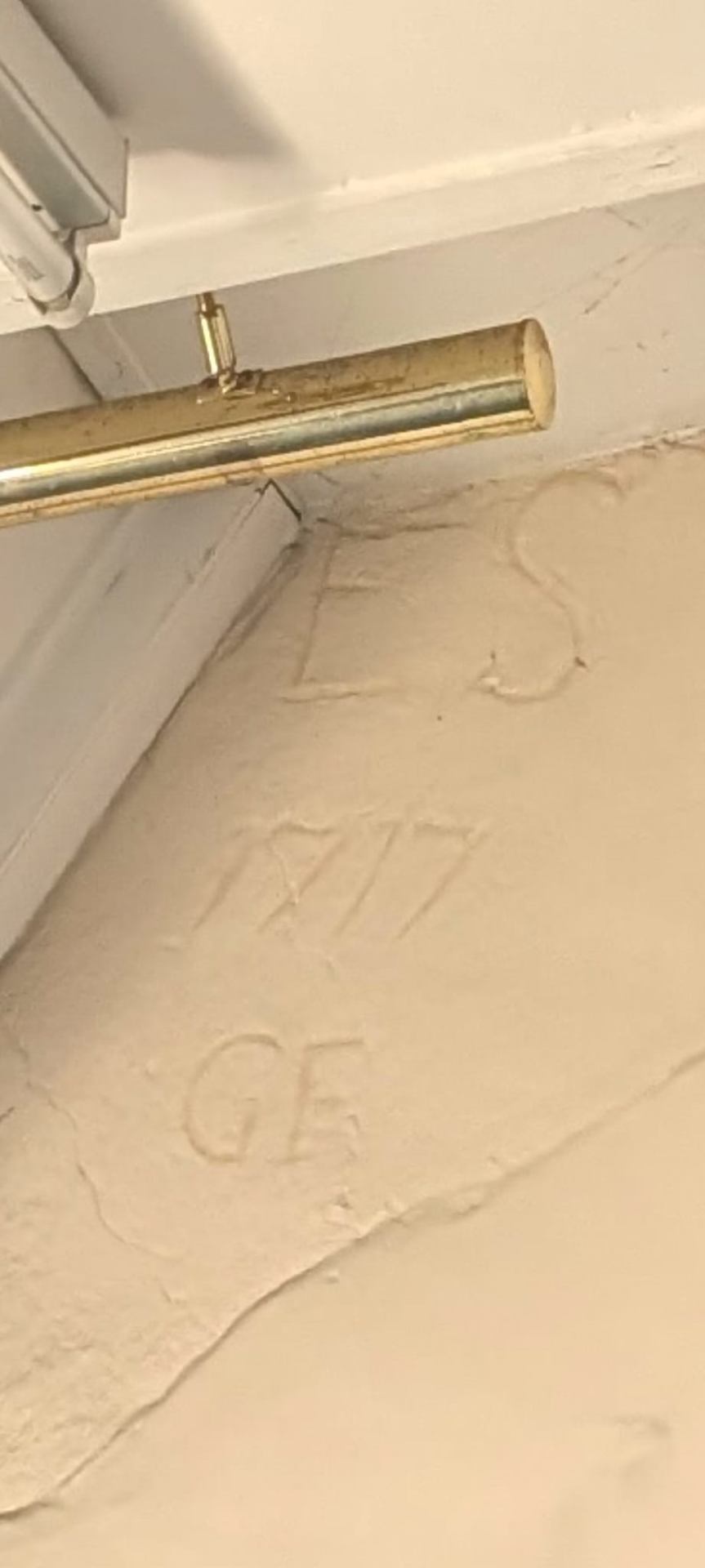
At Bridge Street in Witney we are working with our architect Richard Monk and quantity surveyor to identify a specialist heritage contractor through exactly this process. The building has origins in the seventeenth century. The works are complex. The right contractor is the one who has done this before, not the one who has priced it lowest.
If you are considering a heritage conversion and want to understand how contractor procurement should be approached, we are happy to discuss our experience. Contact us at info@grasshopperproperty.com.