
Heritage Buildings at Risk: What the Register Means and What It Takes to Save One
Update, November 2026: Historic England's 2026 Heritage at Risk Register lists 4,991 sites, with 197 new entries and 85 removed after successful conservation.
Every year Historic England publishes its Heritage at Risk Register. It lists listed buildings, scheduled monuments, registered parks and gardens, and protected wreck sites that are at risk of being lost through neglect, decay or inappropriate development. For listed buildings, the register is a record of failure: buildings that have been allowed to deteriorate to the point where their survival is uncertain.
The register is also an opportunity. A building on the at risk register is, almost by definition, available. The owner has either been unable or unwilling to invest in its repair and bring it back into productive use. For a developer with the skills to navigate the planning and heritage process, an at risk building represents a chance to acquire below market value, solve a complex problem and create something of genuine quality.
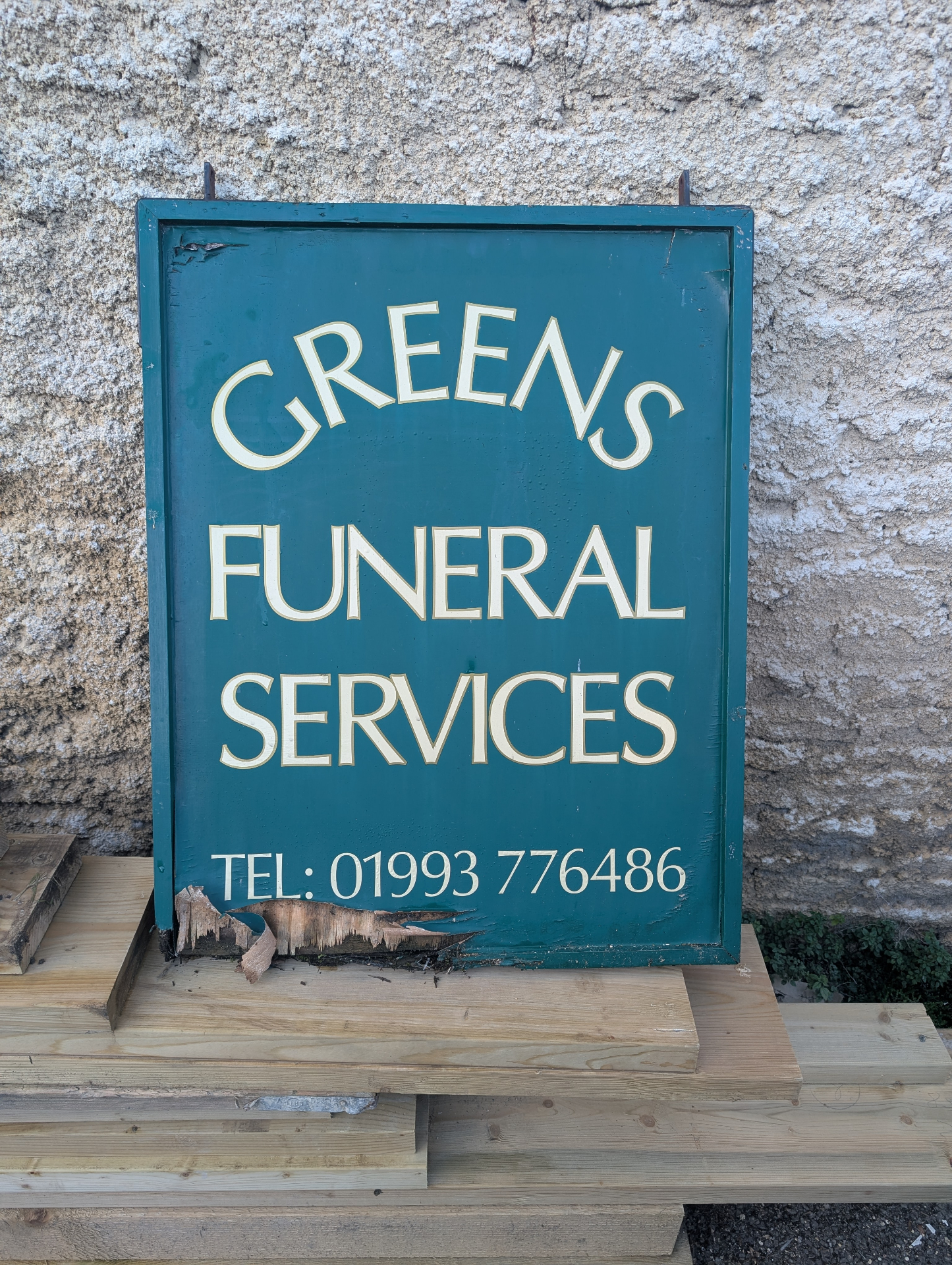
8-10 Bridge Street in Witney was classified as a Listed Building at Risk by West Oxfordshire District Council before Grasshopper Property Group began the process of bringing it back into use. The building had been vacant for years. The previous occupant, Green's Funeral Services, had closed and the building had been left empty. Boarded up on one of Witney's principal streets, it was a visible reminder of what happens to historic buildings when there is no viable plan for their future.
Saving a building on the at risk register is not straightforward. The planning process is more complex than for a standard conversion. The building's condition introduces uncertainties that affect cost and programme. The heritage officer scrutiny is more intense. The specialist team required is harder to assemble and more expensive to retain.
But the alternative is worse. A listed building left vacant deteriorates. Roof failures, water ingress, structural movement, vandalism. The longer a building sits empty the more expensive it becomes to repair and the less viable any conversion scheme becomes. The at risk register is not a stable position. It is a downward trajectory.
The buildings that get saved are the ones where a developer goes first. Where someone is willing to take on the complexity, spend the time on the planning process and assemble the right team. Where the acquisition is made at a price that reflects the risk and the programme is managed with enough discipline to absorb the unknowns.
That is what heritage conversion developers do. Not because it is easy, but because the buildings are worth it and because the alternative is their loss.
If you own a listed building that is vacant or at risk and want to understand the options for bringing it back into use, we are happy to have that conversation. Contact us at info@grasshopperproperty.com.
Related reading
- The Planning Process for Heritage Buildings: What Pre-Application Really Means22nd October 2026
- Why West Oxfordshire Needs More Homes: And Why Heritage Conversion Is Part of the Answer21st October 2026
- Preserving the Past: The Heritage Conversion Planning Process in Oxfordshire Conservation Areas13th April 2026