
Why West Oxfordshire Needs More Homes: And Why Heritage Conversion Is Part of the Answer
West Oxfordshire District Council's Local Plan 2043 sets a housing requirement of 905 homes a year, with more than 16,000 homes needed by 2043. Average property prices in the district run at more than ten times average local earnings. The gap between what is needed and what is being built is not closing.
The conventional response is not the only response
The conventional response to housing need is new build on allocated land. That model works in some places. In a district characterised by historic market towns, conservation areas and listed buildings, it is not the only answer and in many locations it is not the right one.
What the district already holds
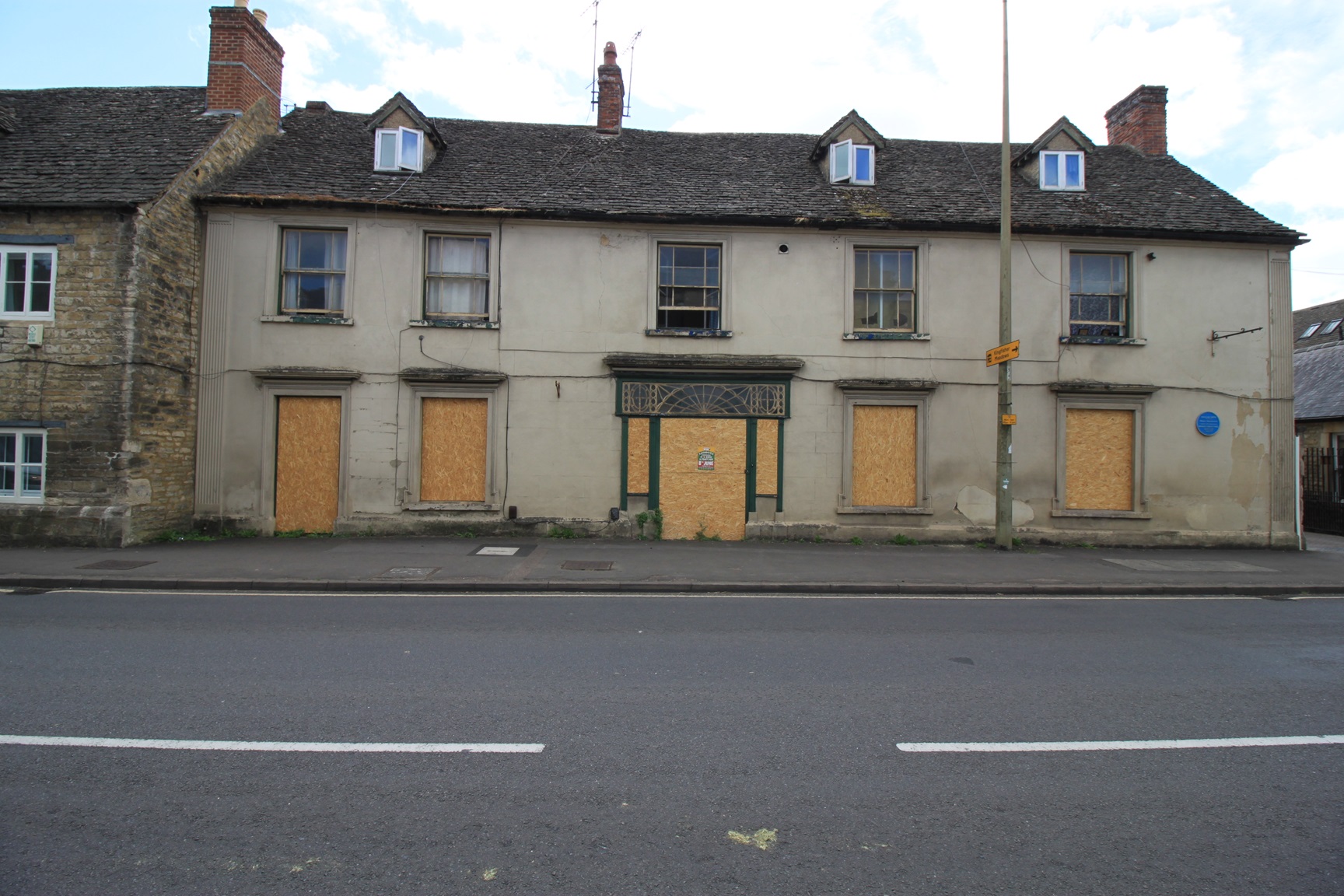
West Oxfordshire has a significant stock of historic commercial buildings that are no longer in their original use. Former pubs, chapels, banks and offices. Buildings embedded in town centres, already connected to infrastructure, already part of the communities that need more homes. Many are listed. Some are classified as at risk.
Why conversion is harder, and why it still makes sense
Converting these buildings into homes is harder than building on a field. The planning process is more complex, the professional team more specialised, the build costs less predictable. But the outcome is homes in locations people want to live in, at a scale that respects the character of the town, in buildings that would otherwise continue to deteriorate.
One building, one contribution
8-10 Bridge Street in Witney is one building. Homes in the heart of the town, in a Grade II Listed building that has been vacant for years. Full planning application submitted to West Oxfordshire District Council in October 2026 under reference PP-15275634.
It is one contribution to a district-wide need. The model is repeatable.