
Witney: A Town Built on Wool
Witney has been making blankets for at least eight hundred years. The combination of fast-flowing water from the River Windrush, local wool from the Cotswold sheep, and a skilled weaving community made the town one of the most important centres of textile production in England. At its peak in the nineteenth century, Witney blankets were exported across the world.
The physical evidence of that trade is still visible in the town today. The Blanket Hall on the High Street, built in 1721, was where blankets were weighed, measured and stamped before sale. The mill buildings along the Windrush housed the machinery that transformed the trade from cottage industry to industrial production. The Georgian and Victorian townscape of the high street was built on the wealth the blanket trade generated.
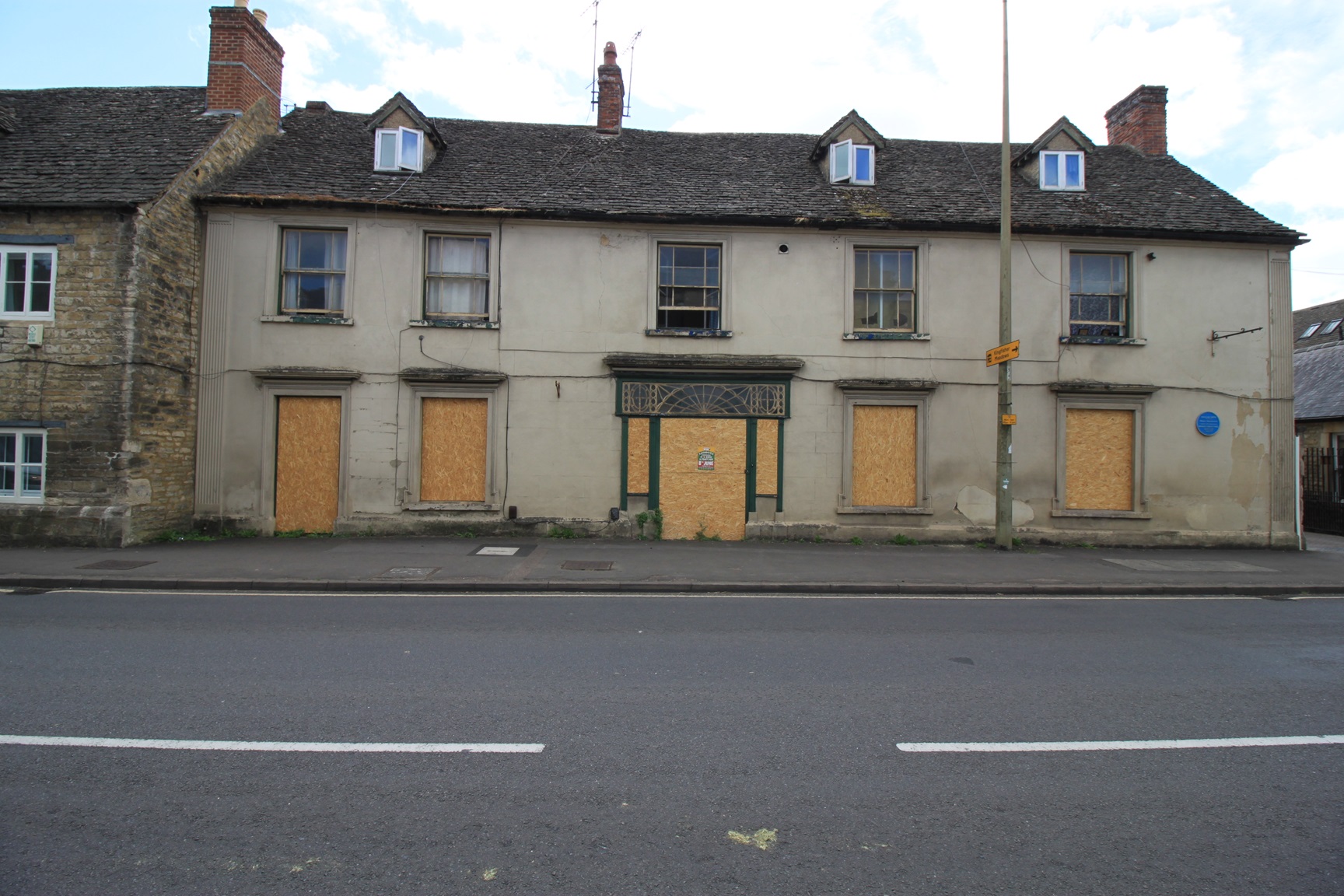
Bridge Street sits at the heart of this history. The building at 8-10 Bridge Street carries a Blue Plaque to William Smith, the blanket manufacturer who built the Bridge Street Mill next door, the first purpose-built steam-powered mill in Witney. Before that, the site had been associated with the wool trade for generations. The building's origins in the seventeenth century place it firmly within the period when Witney's identity as a blanket town was being established.
The decline of the blanket trade in the twentieth century left Witney with a stock of historic commercial buildings that had outlived their original purpose. Some were converted, some were demolished, and some, like 8-10 Bridge Street, passed into new uses that preserved the fabric while changing the function. Bridge Street became a funeral home. For many years Green's Funeral Services occupied the building, becoming as much a part of Witney's identity as the mills it stood next to.
The building is now converting into homes. The wool trade is long gone but the building that the trade built remains. Heritage conversion does not just preserve fabric. It preserves the connection between a town and its own story.
Witney is a town that knows what it is. It was built by a specific trade, shaped by specific families, and defined by a specific relationship between the river, the land and the people who worked both. That identity is worth preserving, and the buildings that carry it are worth restoring.